Carvex Dunalo

Practice-oriented portrait photography workshops in Cherkasy

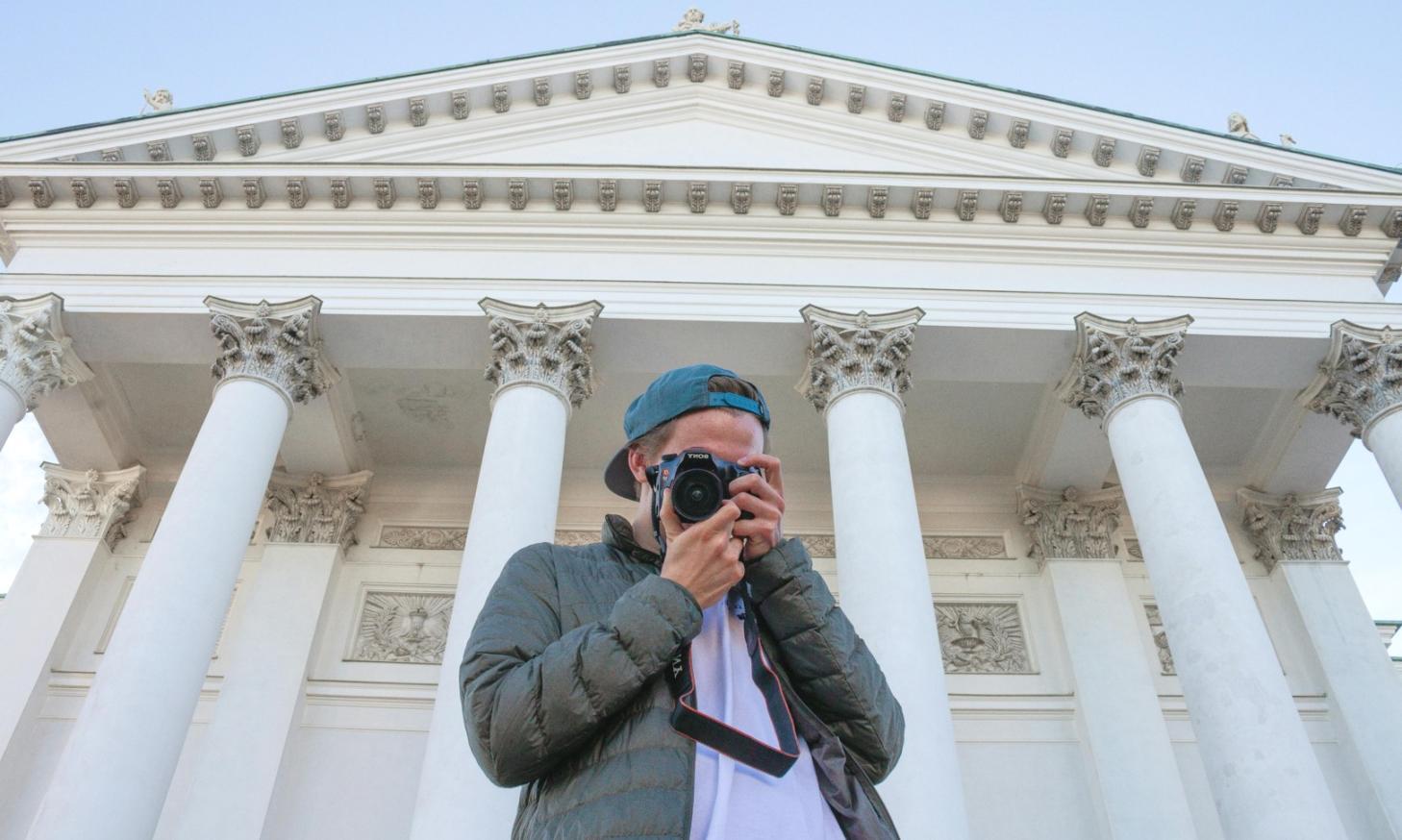
Portrait photography workshop setting

Portrait Photography Through Practice

Stop reading about light and start seeing it. Stop studying composition rules and start framing real faces. This workshop gives you the camera time and direct feedback that turns concepts into instinct.

You'll spend most of your time shooting—not watching presentations. Every session includes live subjects, changing conditions, and immediate corrections. By the end, you'll understand why your settings matter more than your gear, and how to adjust on the fly when something doesn't work.

This isn't about mimicking a style. It's about building the technical foundation and visual judgment that let you capture what you actually see.

What You'll Actually Do

Six focused sessions, each built around specific technical challenges and hands-on shooting. You'll work through the fundamentals that control how portraits look, feel, and communicate.

1

Natural Light Control

Learn to read available light instead of fighting it. We'll shoot in different window conditions, outdoors at various times, and under mixed sources. You'll practice metering decisions and exposure compensation until the histogram makes sense.

  • Reading light direction and quality
  • Exposure triangle adjustments for skin tones
  • Working with reflectors and diffusion
  • Handling backlit and side-lit subjects
2

Lens Choice and Distance

Understand what focal length and shooting distance actually change in a portrait. We'll compare 35mm, 50mm, and 85mm perspectives on the same subject, then discuss when to break the standard rules.

  • Perspective distortion and compression
  • Depth of field for face separation
  • Working distance and subject comfort
  • Environmental context vs isolation
3

Subject Direction Basics

Most technical skills fall apart if your subject looks uncomfortable. Practice clear, simple direction that helps people relax. Learn to spot tension in shoulders, hands, and jaw—then correct it without making things awkward.

  • Posture and body angle adjustments
  • Hand and arm positioning
  • Expression coaching without forcing
  • Building rapport quickly
4

Studio Lighting Fundamentals

Start with a single strobe and learn the classic lighting patterns: loop, Rembrandt, butterfly, split. Add a second light only after you understand what the first one is doing. Practice adjusting power and position until results are predictable.

  • Key light placement and modifiers
  • Fill light ratios and contrast control
  • Rim and hair light application
  • Background separation techniques
5

Color and Skin Tone

Nail white balance in-camera and understand how color temperature affects mood. Practice editing skin tones consistently across different lighting scenarios without making people look plastic or oversaturated.

  • Custom white balance for accuracy
  • Skin tone preservation in post
  • Color grading for cohesive series
  • Identifying and fixing color casts
6

Final Project Session

Plan and execute a short portrait series using everything covered. Choose your lighting approach, direct your subject, and deliver edited images. Get detailed feedback on both technical execution and visual decisions.

  • Pre-shoot planning and setup
  • Working through a full session workflow
  • Image selection and editing consistency
  • Presenting and discussing your results
Workshop lead instructor Assistant instructor
Lead Instructor

Iryna Petrenko

Iryna has photographed over 400 portrait sessions since 2017, working with editorial clients, small businesses, and private individuals. She started shooting with a borrowed camera and cheap lighting, which taught her to solve problems with technique rather than equipment. Now she focuses on helping others skip the years of trial-and-error she went through.
Her work appears in regional publications and she's collaborated with local theater productions for headshots and promotional material. She teaches because explaining lighting setups out loud forces her to understand them better—and because she enjoys watching people figure out what makes a portrait actually work.
Teaching Method

You'll shoot constantly during sessions. Iryna reviews your images on-screen, points out what's working or breaking, and has you reshoot immediately with adjustments. Expect honest feedback—she'll tell you if your lighting is muddy or your framing is lazy. The assistant instructor manages equipment and helps troubleshoot technical issues so Iryna stays focused on your visual decisions.

Reserve Your Spot