
Carvex Dunalo

Practice-oriented portrait photography workshops in Cherkasy

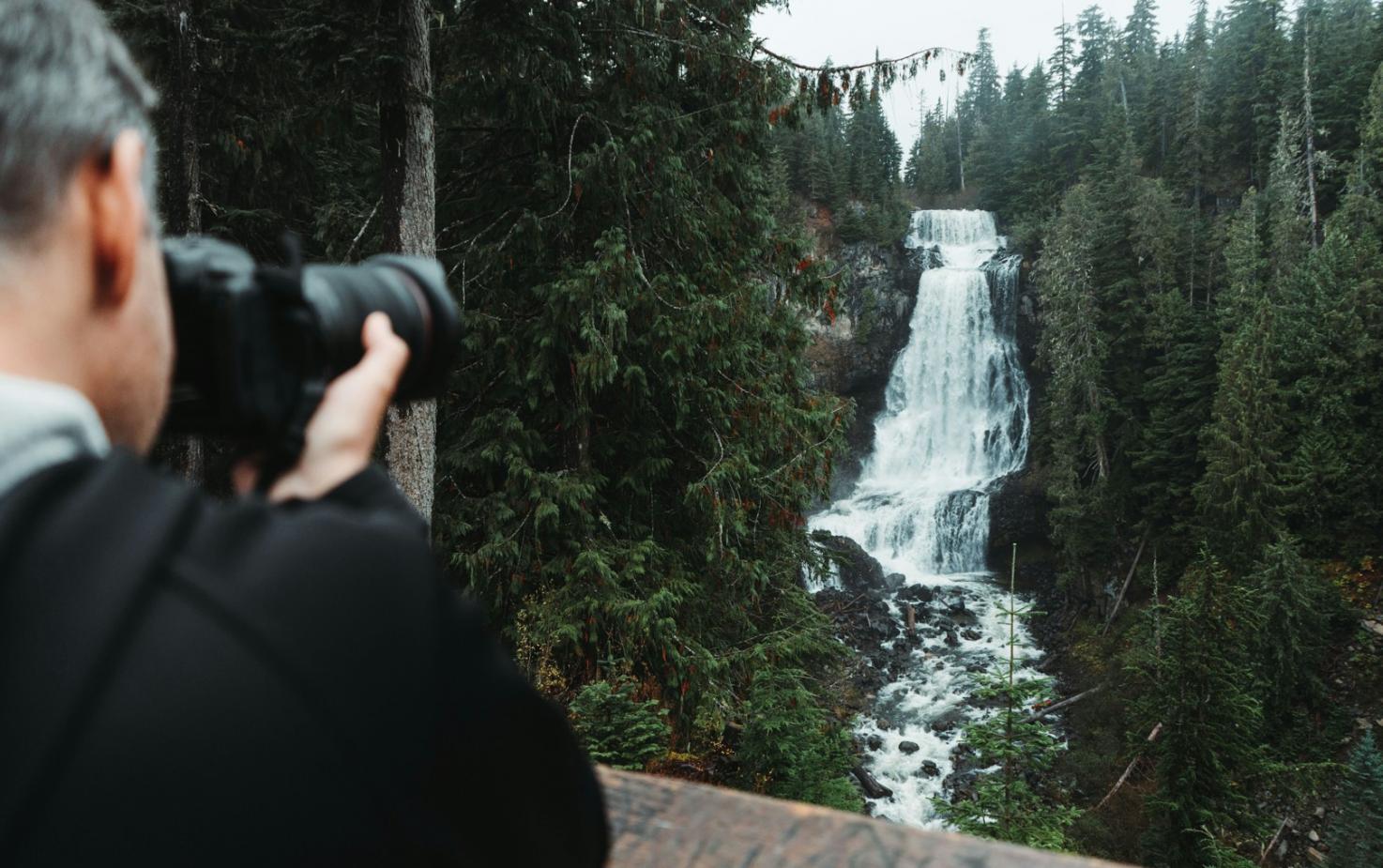
Portrait photography workshop demonstration

We teach photography that works in actual situations

Since 2015, we've been running portrait photography workshops for people in Cherkasy who want to take better photos without spending years figuring everything out alone. Our approach focuses on practical application rather than theory overload. You learn by shooting, reviewing what worked and what didn't, and trying again with specific adjustments. Most participants see noticeable improvements after completing their first project assignment, not because we promise miracles but because deliberate practice with immediate feedback tends to produce results.

Back in 2015, a group of local photographers noticed the same pattern repeating. People would buy decent cameras, struggle through confusing manual settings, get frustrated with inconsistent results, and eventually either give up or settle for automatic modes that never quite captured what they intended.

The problem wasn't lack of ambition or equipment. It was the gap between watching tutorials and actually applying techniques under real conditions with actual subjects who move, lighting that changes, and moments that don't wait for you to remember which dial controls exposure compensation.

We created workshops that emphasize shooting sessions over lecture time. You bring your camera, we provide scenarios similar to what you'll encounter outside the classroom, and you work through the process of getting the shot you planned rather than hoping for lucky accidents.

What makes this different from watching videos

Immediate feedback on technique errors before they become ingrained habits. When you're setting up lighting for a portrait and the shadows fall wrong, we can point out the specific adjustment needed right then, not three days later when you review footage.

Hands-on correction of common mistakes like relying too heavily on post-processing to fix composition issues, or using depth of field settings that blur important context elements.

Practice with actual human subjects in changing conditions, which teaches you to work quickly and adapt when your initial plan doesn't match the available light or the person's comfort level with certain poses.

How the learning process actually works

Controlled shooting scenarios

We set up specific situations that isolate one technical challenge at a time. First session might focus entirely on controlling natural window light for indoor portraits. Second session adds reflectors and how to position them without creating unnatural highlights. Each builds on previous skills without overwhelming you with twenty variables simultaneously.

Review cycles with specific fixes

After each shooting round, we examine your results together and identify the main issue preventing the image from working. Not vague critique about artistic vision, but concrete observations like "your shutter speed was too slow for handholding at that focal length" or "the background elements compete with your subject because they're equally sharp."

Progressive complexity assignments

Early assignments keep variables controlled. Later projects add constraints that mirror real client work like limited time, specific location requirements, or particular mood requirements. By the final assignment you're managing multiple technical and creative decisions simultaneously because you've practiced each component separately first.

The technical areas we cover in depth

Camera settings interaction

Understanding how aperture, shutter speed, and ISO work together determines whether your images are properly exposed, sharp where intended, and show appropriate motion characteristics. We spend significant time on this because getting it wrong ruins everything else you might do correctly.

Light direction and quality control

The difference between flat, unflattering portraits and dimensional ones with appropriate shadow transitions comes down to light placement and modification. You learn to read existing light conditions and make informed decisions about whether to work with them or alter them.

Compositional structure decisions

Where you place elements within the frame, what you include or exclude, and how you guide the viewer's attention through the image. These choices separate snapshots from intentional photographs that communicate specific messages about your subject.

Subject direction and interaction

Most people feel awkward in front of cameras. You learn techniques for helping subjects relax, positioning them in ways that look natural rather than posed, and capturing genuine expressions instead of forced smiles that never look convincing.

What participants say after completing workshops

Bohdan Panchenko

I'd been shooting family photos for years but always felt like I was guessing at settings. The workshop helped me understand why certain combinations produced specific results. Now when I'm setting up a shot, I know which adjustments will get me closer to what I'm visualizing instead of just trying different settings randomly.

Bohdan Panchenko

Workshop participant, 2023

Lesia Tkachenko

The most useful part was having someone point out exactly what wasn't working in my composition and showing me alternative approaches on the spot. Online tutorials explain techniques in general terms, but having feedback specific to your actual attempts helps you improve much faster.

Lesia Tkachenko

Completed advanced lighting course